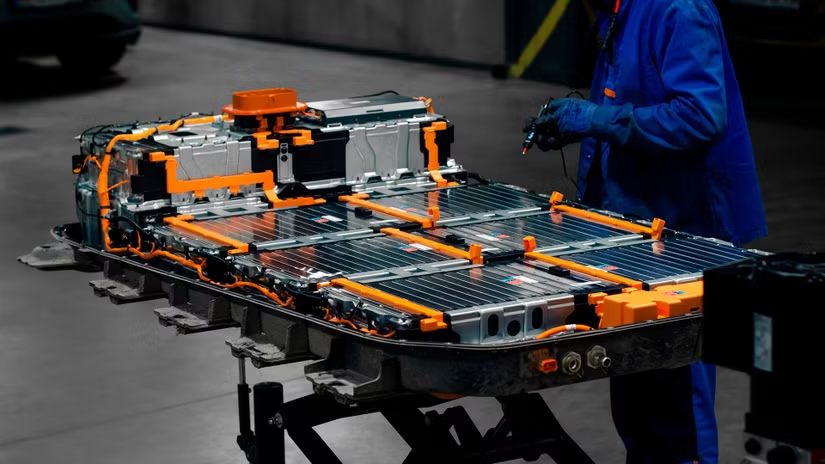
Battery replacement costs can genuinely run into lakhs, which makes understanding your warranty terms absolutely essential before you buy. This guide to EV battery warranty India manufacturers offer breaks down what’s actually covered.
A friend recently discovered his warranty had specific mileage caps he hadn’t noticed at purchase — a costly oversight that’s easily avoided with proper research upfront.
Standard Warranty Terms in India
Direct answer: Most EV battery warranty India manufacturers provide typically covers 8 years or 1,60,000 km, whichever comes first, though exact terms vary significantly between brands and specific models.
What’s Typically Covered
- Manufacturing defects in battery cells
- Capacity degradation beyond specified thresholds (usually 70% retention)
- Battery management system malfunctions
- Certain connector and wiring issues related to the battery pack
Common Exclusions You Should Know About
- Damage from accidents or improper handling
- Issues arising from unauthorized modifications
- Normal capacity degradation within acceptable limits
- Damage from using non-approved charging equipment
[Link to related guide: EV Battery Maintenance here]
How Capacity Degradation Claims Work
Most manufacturers guarantee battery capacity won’t drop below 70% within the warranty period. If your battery health monitoring shows degradation beyond this threshold, you’re typically eligible for repair or replacement — though the claim process can take several weeks.
Two-Wheeler vs Four-Wheeler Battery Warranty Differences
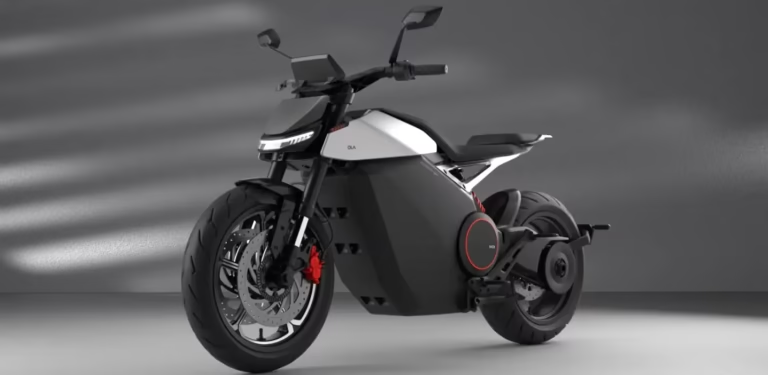
- Electric scooters typically offer 3-year warranties, shorter than car equivalents
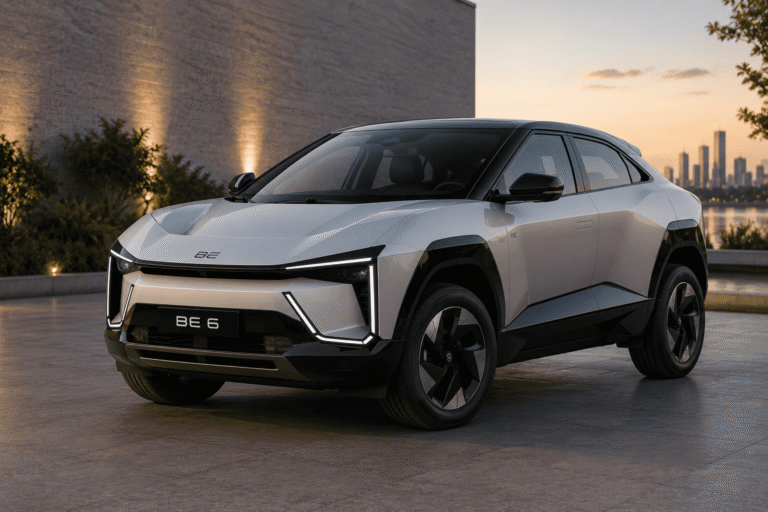
- Four-wheeler EVs generally provide longer 8-year coverage terms
- Mileage caps differ significantly based on vehicle category
- Some manufacturers offer extended warranty purchase options for additional cost
Documentation Needed for Warranty Claims
Keep your purchase invoice, service records, and any battery health reports readily accessible. Manufacturers typically require documented proof of regular servicing at authorized centers to honor warranty claims without complications.
Extended Warranty: Is It Worth Buying?
For buyers planning to keep their EV beyond the standard warranty period, extended coverage genuinely offers valuable peace of mind given the high cost of battery replacement. Weigh the extended warranty cost against realistic replacement expenses for your specific model before deciding.
FAQs
Q1. How long does standard EV battery warranty typically last in India? Most manufacturers offer 8 years or 1,60,000 km for cars, with shorter terms for two-wheelers.
Q2. Does warranty cover normal battery capacity loss over time? Only if degradation exceeds specified thresholds, typically below 70% capacity retention.
Q3. Can I transfer battery warranty if I sell my EV? Generally yes, though terms vary by manufacturer — always verify specific transfer policies.
Q4. Does fast charging void my EV battery warranty? No, using manufacturer-approved fast charging typically doesn’t void warranty, but non-approved equipment might.
Q5. Is extended battery warranty worth purchasing? Yes, particularly if you plan long-term ownership beyond the standard warranty period.
Conclusion
Understanding your EV battery warranty India coverage thoroughly before purchase genuinely protects you from expensive surprises down the line. Read the fine print carefully, keep proper service documentation, and consider extended warranty options if long-term ownership is your plan. This knowledge upfront saves both money and stress later.
Suggested Image Alt Text:
- “EV battery warranty India documents”
- “electric vehicle battery health check”
- “EV service center warranty claim”