A dash cam used to feel like an optional gadget. Now, with insurance disputes and hit-and-run cases becoming more common, it’s honestly close to essential. If you’re shopping for the best dash cam for cars, here’s what genuinely matters versus what’s just marketing fluff.
Why You Actually Need a Dash Cam
Picture this — you’re stopped at a signal, someone rear-ends you, and then claims you reversed into them. Without footage, it’s your word against theirs. With a dash cam, it’s settled in thirty seconds. That alone justifies the cost for most drivers.
- Protects you in accident disputes and insurance claims
- Records unusual incidents like road rage or vandalism
- Some models double as parking security monitors
Video Resolution: Don’t Go Below 1080p
Quick answer: For a dash cam that actually captures usable evidence, 1080p Full HD should be your minimum resolution, with 1440p or higher recommended if you want to clearly read license plates at a distance.
Lower resolution cameras save on storage but often render number plates as an unreadable blur, especially at night or in fast-moving traffic — exactly the moment you’d need that detail most.
Look for Good Low-Light and Night Performance
This is where a lot of budget dash cams fall apart. Daytime footage from almost any camera looks decent, but nighttime footage separates the genuinely good units from the mediocre ones.
Check for cameras with a wide aperture (f/1.8 or lower) and dedicated night mode processing. Read actual sample footage reviews rather than trusting spec sheets alone — numbers on paper don’t always translate to real clarity after dark.
Wide Field of View Matters More Than You’d Think
A narrow field of view might miss a car cutting in from the side. Look for cameras offering at least 140-160 degrees of coverage, which captures more of the road and adjacent lanes without excessive fisheye distortion.
Parking Mode and Motion Detection
Quick answer: Parking mode allows a dash cam to keep monitoring your car while parked, using motion or impact detection to start recording automatically — a genuinely useful feature if your car is often parked on the street.
This does typically require a hardwire kit connected to your car’s fuse box rather than just running off the cigarette lighter socket, so factor in that small extra installation cost.
Storage and Loop Recording
Every decent dash cam uses loop recording, automatically overwriting the oldest footage once storage fills up. What matters is:
- MicroSD card compatibility (look for at least 64GB support)
- Automatic locking of footage during a detected collision
- Cloud backup options on higher-end models
Don’t cheap out on the memory card itself — use a card rated for continuous video recording, not a regular consumer card, or you’ll deal with corrupted footage at the worst possible time.
Dual Channel (Front and Rear) Options
If your budget allows, a dual-channel dash cam recording both front and rear views gives much stronger protection, particularly for rear-end collision disputes, which are extremely common in city traffic.
[link to related guide about essential motorcycle riding gear here]
GPS and Speed Logging
Some higher-end dash cams include GPS logging, which timestamps your location and speed alongside the video. This adds real credibility to footage used in insurance or legal disputes, since it removes any ambiguity about where and how fast you were traveling.
FAQs About Dash Cams
Do I need a professional to install a dash cam? Basic suction-mount dash cams are simple enough to install yourself, but hardwired setups with parking mode are often easier with professional installation to route wiring cleanly.
How much storage do I need for a dash cam? A 64GB to 128GB card typically provides several days of loop-recorded footage before older clips get overwritten, depending on resolution.
Can dash cam footage be used in court or insurance claims? Yes, dash cam footage is widely accepted as evidence in both insurance claims and legal proceedings in India, provided the timestamp is accurate.
Is a dual-channel dash cam worth the extra cost? For most drivers, yes — rear-end collisions are common enough that having rear footage significantly strengthens your position in a dispute.
Will a dash cam drain my car battery? Standard usage while driving won’t drain your battery, but parking mode running continuously can draw power, so check if the unit has low-voltage cutoff protection.
What resolution is best for reading license plates clearly? 1440p or higher generally gives clearer license plate detail compared to standard 1080p, especially for cars passing at higher speeds.
Conclusion
A good dash cam isn’t about chasing the flashiest spec sheet — it’s about reliable footage exactly when you need it most. Prioritize resolution, night performance, and a wide field of view over flashy extra features you’ll rarely use. If you’ve been putting off buying one, remember: you only need it to work once for it to pay for itself many times over.
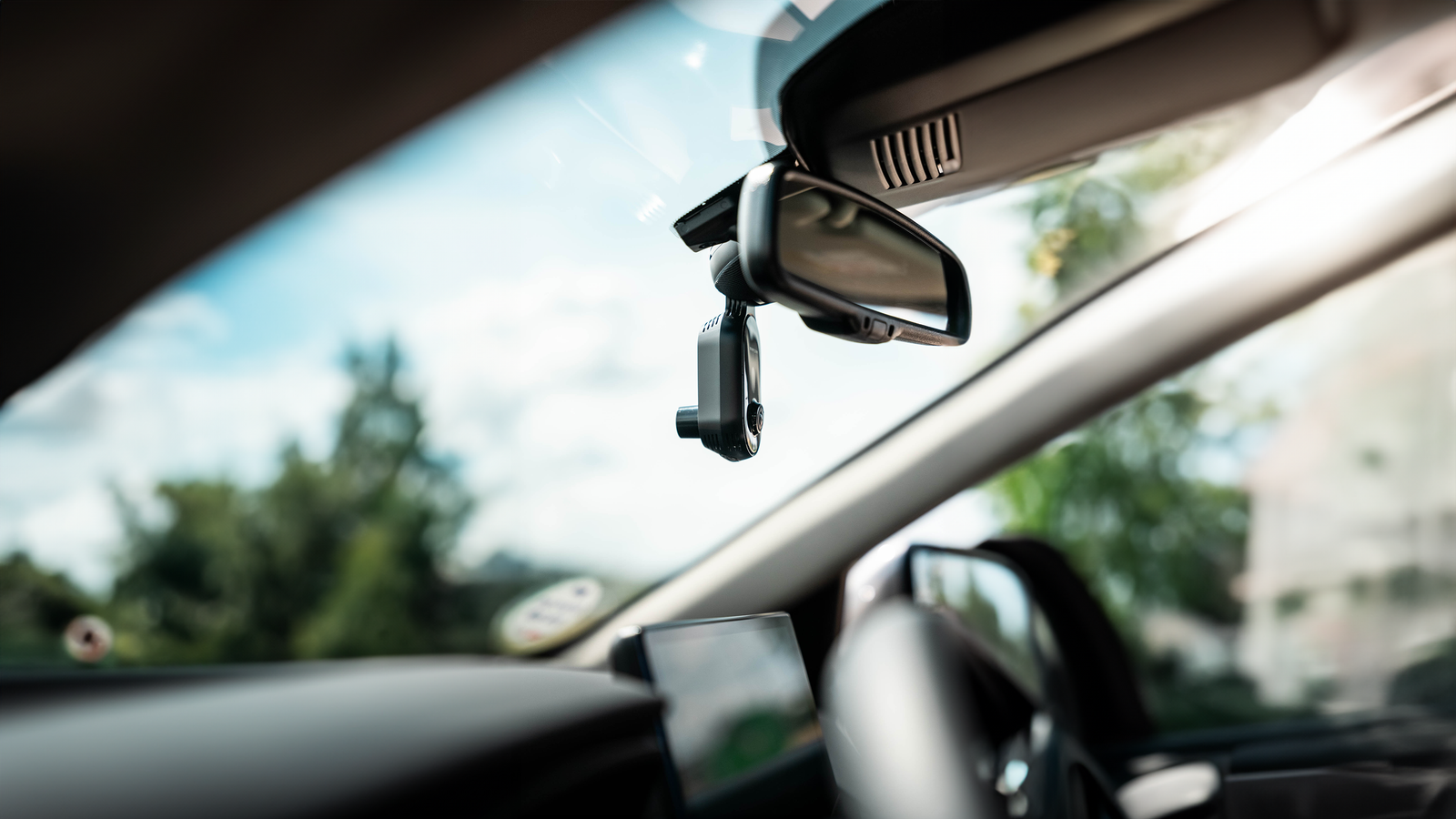
[Suggested image alt text: “dash cam mounted on car windshield recording road”] [Suggested image alt text: “dash cam night footage showing clear license plate”]