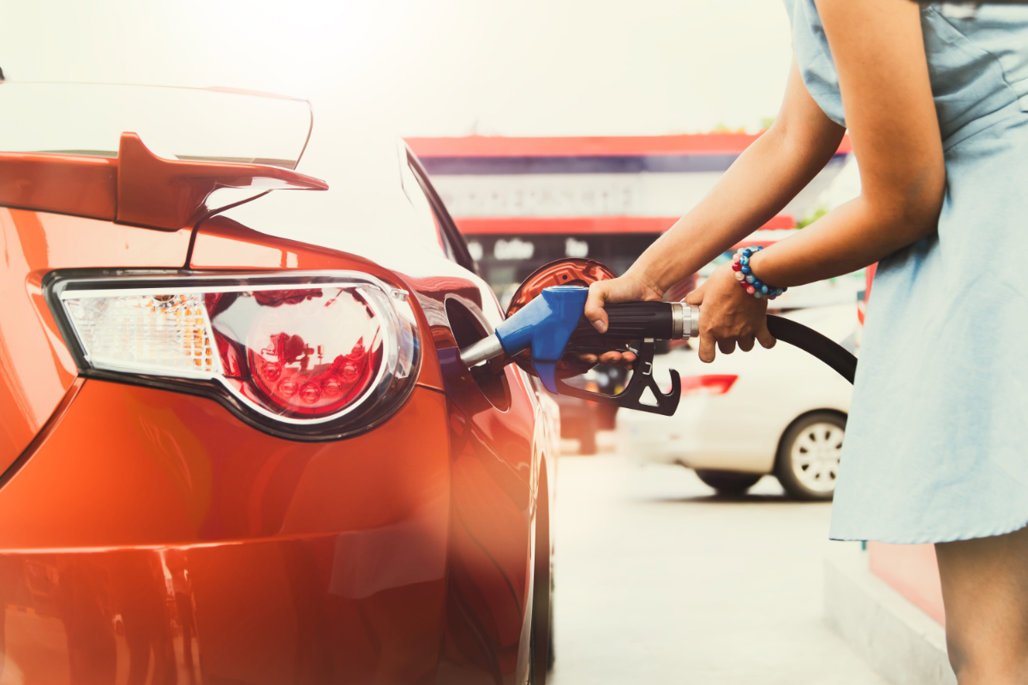
Fuel prices aren’t getting any friendlier, and honestly, most people leave decent savings on the table simply through habits they’ve never thought to change. Learning how to improve fuel economy doesn’t require an expensive hybrid upgrade — a lot of it comes down to small, consistent adjustments.
Your Driving Style Matters More Than You Think
Quick answer: Aggressive acceleration and hard braking can reduce fuel economy by 15-30% on highways and even more in stop-and-go city traffic, making smooth, gradual driving one of the most effective free ways to save fuel.
I noticed this myself when I consciously slowed down my acceleration for a month — my fuel bill dropped noticeably without changing anything else about my routine. It’s a habit, and habits are changeable.
Keep Your Tyres Properly Inflated
Underinflated tyres create more rolling resistance, which forces your engine to work harder and burn more fuel. Check pressure monthly, and always check it when tyres are cold, not right after driving.
- Underinflated tyres by even 20% can reduce fuel economy by 3-5%
- Check pressure against your car’s recommended PSI, found on the door jamb sticker
- Don’t forget the spare tyre too
Reduce Unnecessary Weight in Your Car
That golf bag that’s been sitting in your trunk for three months? It’s costing you fuel, even if the amount per trip feels tiny. Extra weight means your engine burns more fuel to move the same distance.
Quick answer: Every extra 45 kg of weight in your car can reduce fuel economy by roughly 1-2%, so clearing out unnecessary items from your trunk is a simple, immediate way to improve mileage.
Don’t Idle for Long Periods
Idling burns fuel while getting you exactly zero kilometers closer to your destination. If you’re going to be stopped for more than a minute — waiting to pick someone up, for instance — turning off the engine actually saves more fuel than the energy used to restart it.
Maintain Your Air Filter
A clogged air filter restricts airflow into the engine, forcing it to work harder and burn more fuel to compensate. Check and replace your air filter according to your manufacturer’s schedule, usually every 15,000-20,000 km, sooner in dusty conditions.
Use Cruise Control on Highways
On steady highway stretches, cruise control maintains a consistent speed more efficiently than most drivers manage manually, since constant small speed fluctuations from foot pressure changes burn more fuel than a steady pace.
- Works best on flat or gently rolling highways
- Less effective in hilly terrain with frequent elevation changes
- Combine with good following distance to avoid unnecessary braking
Plan Routes to Avoid Traffic and Stops
[link to related guide about road trip car checklist here]
Stop-and-go traffic is one of the biggest fuel economy killers there is. Where possible, use navigation apps that show real-time traffic and pick routes with fewer traffic lights and less congestion, even if the distance is slightly longer.
Keep Up With Regular Servicing
A well-maintained engine simply runs more efficiently. Fresh oil, a clean fuel injector system, and correctly gapped spark plugs (for petrol engines) all contribute to better combustion and, ultimately, better mileage.
FAQs About Improving Fuel Economy
Does AC usage really affect fuel economy significantly? Yes, running AC can reduce fuel economy by roughly 5-10% in city driving, though at highway speeds it’s often more efficient than driving with windows down due to aerodynamic drag.
Is it true that manual transmissions get better mileage than automatics? This gap has narrowed significantly with modern automatic and CVT transmissions, and in many current models, automatics now match or even exceed manual fuel economy.
Does the type of fuel I use affect mileage? Using the fuel grade recommended by your manufacturer is usually sufficient; higher octane fuel typically doesn’t improve mileage unless your engine specifically requires it.
How much does tyre pressure really impact fuel economy? Properly inflated tyres can improve fuel economy by 3-5% compared to significantly underinflated ones, making it one of the easiest free improvements available.
Does driving with windows down hurt fuel economy? At city speeds, the effect is minimal, but at highway speeds above 80 km/h, aerodynamic drag from open windows can noticeably reduce fuel economy.
Can a dirty engine really reduce my mileage that much? Yes, a dirty air filter, old spark plugs, or worn oil can collectively reduce fuel economy by 10% or more, making regular maintenance a genuinely cost-effective habit.
Conclusion
Improving fuel economy isn’t about one dramatic change — it’s a combination of smoother driving, proper tyre pressure, less unnecessary weight, and staying current on maintenance. None of these tips cost much, if anything, to implement. Start with your tyre pressure this week, and build the other habits in gradually — your fuel bill will thank you within a month or two.
[Suggested image alt text: “person checking tyre pressure with gauge for fuel efficiency”] [Suggested image alt text: “car dashboard showing fuel economy display”]