Ask five different riders how often to change motorcycle oil and you’ll probably get five different answers. Some swear by every 3,000 km, others push it to 6,000 km without a second thought. The truth is, it depends on a few specific factors — and getting it wrong in either direction costs you.
The General Rule of Thumb
Quick answer: Most motorcycles need an oil change every 3,000-5,000 km or every 3-6 months, whichever comes first, though this varies based on engine type, oil type, and riding conditions.
That range is wide on purpose, because a commuter bike ridden gently in the city wears its oil differently than a performance bike ridden hard on highways every weekend.
Why Riding Style Changes the Interval
If you’re stuck in stop-and-go traffic constantly, your engine actually works harder than steady highway cruising, even at lower speeds. Frequent idling, heat cycling, and short trips where the engine never fully warms up all degrade oil faster.
- City commuting with frequent stops: shorter intervals
- Highway cruising at steady speed: oil lasts longer
- Aggressive or sporty riding: shorter intervals due to higher heat and RPM
I ride mostly in city traffic myself, and I’ve learned to change oil closer to the 3,000 km mark rather than stretching it, even though my bike’s manual technically allows more.
Synthetic vs Mineral Oil Makes a Real Difference
This is something a lot of new riders don’t realize. Synthetic oil handles heat and breaks down slower than mineral oil, which means longer intervals are genuinely safe with synthetic.
- Mineral oil: change every 2,500-3,500 km
- Semi-synthetic: change every 4,000-5,000 km
- Full synthetic: change every 5,000-7,000 km
The cost difference upfront is real, but synthetic oil often works out cheaper per kilometer once you factor in fewer changes and better engine protection.
Signs Your Motorcycle Oil Needs Changing Now
Quick answer: Dark, gritty oil, a burning smell, louder engine noise, or reduced fuel efficiency are all signs your motorcycle oil has degraded and needs immediate changing, regardless of your last service date.
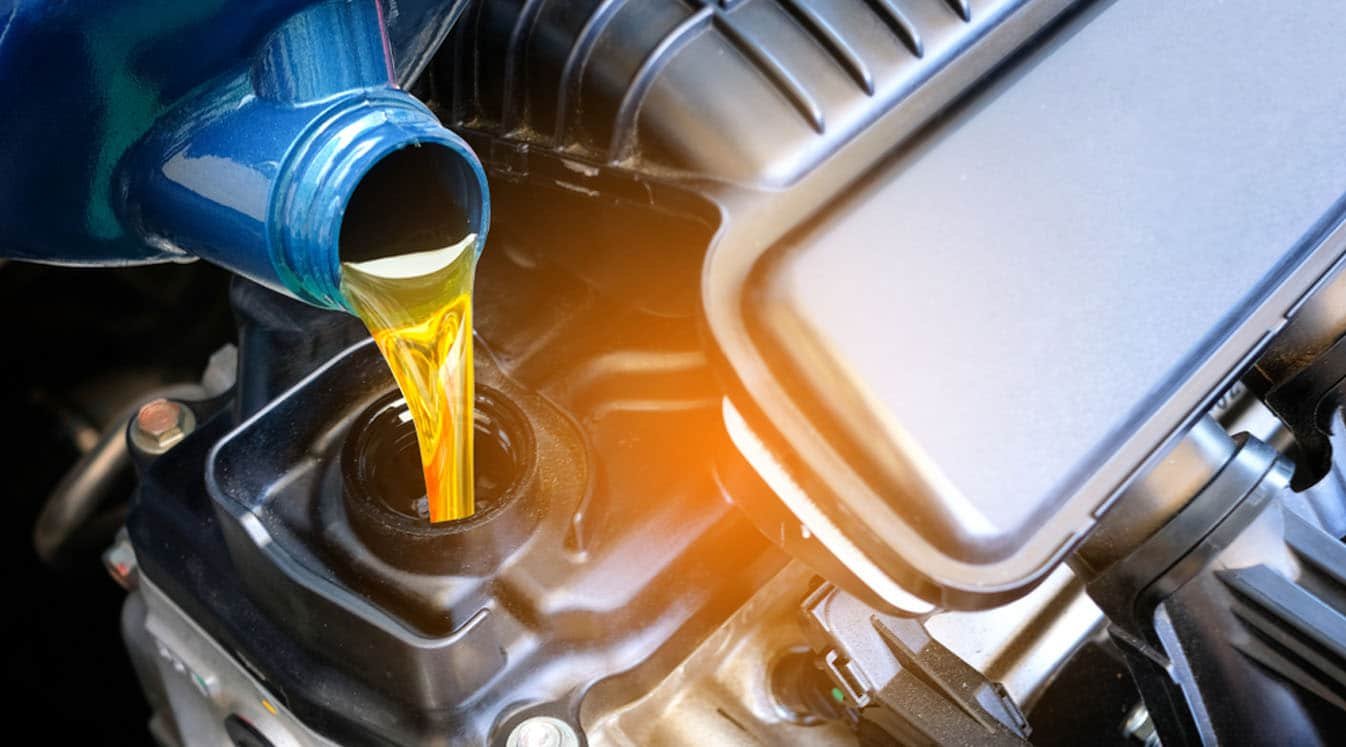
Don’t just go by the calendar or odometer alone — physical checks matter too. Pull the dipstick or check the sight glass (depending on your bike). Fresh oil is golden to light amber. If it’s dark brown or black and feels gritty between your fingers, it’s overdue.
What Happens If You Delay Oil Changes Too Long
Old oil loses its ability to lubricate and cool engine components properly. This leads to increased friction, faster wear on the piston and cylinder walls, and eventually more serious engine damage that costs far more than a routine oil change ever would.
I’ve seen bikes come into service with sludge buildup from years of delayed changes — that’s not a quick fix, that’s an engine rebuild territory.
Don’t Forget the Oil Filter
Changing oil without changing the filter defeats half the purpose. Most manufacturers recommend replacing the filter at every oil change, or at minimum every second change if you’re using a high-quality filter.
[link to related guide about complete car maintenance checklist here]
Check Your Owner’s Manual First
Every manufacturer specifies their own recommended interval based on the specific engine design. Use the general guidelines here as a starting point, but always cross-check with your bike’s manual, especially if it’s still under warranty — some warranties require documented adherence to the schedule.
FAQs About Motorcycle Oil Changes
Can I go longer than 5,000 km between oil changes? With full synthetic oil and gentle highway riding, some bikes can safely stretch to 6,000-7,000 km, but always confirm against your specific manufacturer’s recommendation.
Does oil expire even if I don’t ride much? Yes, oil degrades over time regardless of mileage due to oxidation, so change it at least every 6 months even with low usage.
Is synthetic oil worth the extra cost for a motorcycle? For most riders, yes — synthetic oil offers better heat resistance and longer intervals, which often balances out the higher upfront price.
What color should healthy motorcycle oil be? Fresh oil is typically golden or light amber; oil that’s turned dark brown, black, or feels gritty needs replacing.
Should I change the oil filter every time I change the oil? Ideally yes, since a clogged or old filter can restrict oil flow even with fresh oil in the engine.
Does riding style really affect how often I need an oil change? Absolutely — stop-and-go city riding and aggressive sport riding both degrade oil faster than steady, moderate highway cruising.
Conclusion
There’s no single magic number for how often to change motorcycle oil — it depends on your oil type, riding style, and how honestly you check the oil condition yourself. When in doubt, err on the side of changing it a bit early. It’s a small cost compared to what a worn-out engine will run you. Check your oil this weekend — if it looks even slightly off, don’t wait for the next scheduled service.
[Suggested image alt text: “motorcycle oil dipstick showing fresh amber oil”] [Suggested image alt text: “mechanic draining old motorcycle engine oil”]