Most people only think about car maintenance when something goes wrong. That’s backwards, and it’s expensive. A proper car maintenance checklist followed consistently costs you far less over time than reactive repairs ever will.
I’ll be honest — I used to be one of those “I’ll deal with it when it breaks” people too, until a delayed timing belt change cost me a new engine. Don’t be me.
Weekly Checks That Take Five Minutes
These barely take any time but catch problems early.
- Check tyre pressure, including the spare
- Look for visible fluid leaks under the car
- Test all lights — headlights, indicators, brake lights
- Glance at tyre tread wear pattern
Quick answer: A five-minute weekly check of tyre pressure, fluid leaks, and lights catches most early warning signs before they become expensive repairs, and costs you nothing but a bit of time.
Monthly Fluid Level Checks
Fluids are the lifeblood of your car, and low levels are often the first sign something’s wearing out.
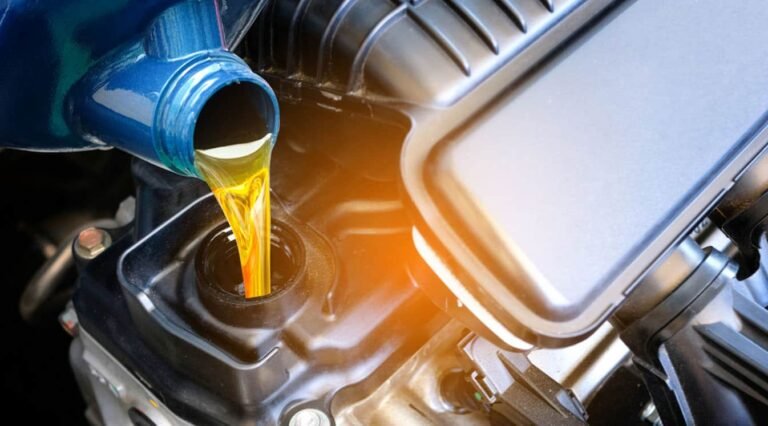
Check engine oil level (with the car on level ground, engine cold), coolant level in the reservoir, brake fluid, and windshield washer fluid. If you notice the oil level dropping between changes, that’s worth mentioning to your mechanic — it could indicate a small leak or, less commonly, oil burning.
Every 5,000-10,000 KM Service Tasks
This is where your car maintenance checklist gets more technical, and honestly this is the interval most owners actually follow because it’s tied to service reminders.
- Engine oil and filter change
- Air filter inspection or replacement
- Brake pad wear check
- Wheel alignment and rotation
Sticking to your manufacturer’s recommended interval matters more than people realize. Stretching oil changes to “save money” often costs more in engine wear down the line.
Brake System Checks
Quick answer: Brake pads typically need inspection every 10,000-15,000 km and replacement when the pad thickness drops below 3mm, or immediately if you hear a persistent grinding or squealing noise.
Don’t ignore a squeal that only happens sometimes — brake wear indicators are designed to make noise specifically to warn you before metal-on-metal contact damages your rotors.
Battery Health and Terminals
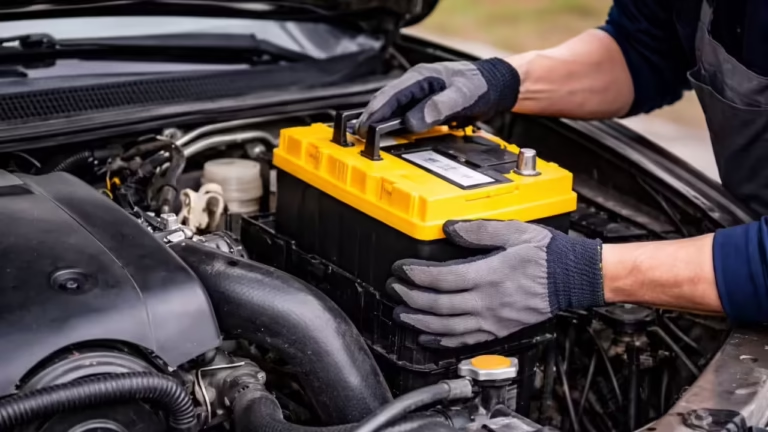
Car batteries typically last 3-5 years, but heat and short trips shorten that lifespan. Check for corrosion around the terminals — that white, crusty buildup — and clean it off with a baking soda solution if you spot it.
If your car struggles to start in the morning or the headlights dim noticeably at idle, get the battery tested before it leaves you stranded somewhere inconvenient.
Tyre Maintenance and Rotation
Uneven tyre wear usually points to alignment or suspension issues, not just tyre quality. Rotate your tyres every 8,000-10,000 km to even out wear patterns and extend their lifespan by thousands of kilometers.
Check tread depth with a simple coin test — if you can see too much of the coin when inserted into the tread groove, it’s time to replace.
Annual and Bigger-Interval Checks
Some things don’t need frequent attention but absolutely can’t be skipped when their time comes.
- Timing belt replacement (usually 60,000-100,000 km, check your manual)
- AC system service and refrigerant check
- Suspension component inspection
- Transmission fluid change
[link to related guide about signs your car battery needs replacement here]
Keep a Maintenance Log
This sounds boring, but it genuinely helps. Write down dates and odometer readings for every service. It helps you spot patterns — like if brake pads are wearing faster than expected — and it massively boosts resale value since buyers trust a documented service history.
FAQs About Car Maintenance
How often should I check my car’s oil level? Check monthly at minimum, more often if your car is older or has higher mileage, since oil consumption tends to increase with engine wear.
What happens if I skip regular car maintenance? Skipped maintenance leads to accelerated wear, more expensive repairs down the line, reduced fuel efficiency, and a higher risk of sudden breakdowns.
How do I know if my brake pads need replacing? Listen for squealing or grinding noises, and visually check pad thickness — most pads should be replaced once they’re below 3mm thick.
Is it necessary to follow the manufacturer’s service schedule exactly? It’s strongly recommended, especially for warranty purposes, though you can adjust slightly based on your driving conditions like dusty roads or extreme heat.
How often should tyres be rotated? Most manufacturers recommend rotating tyres every 8,000-10,000 km to promote even wear and extend tyre life.
Can I do basic car maintenance myself? Yes, tasks like checking fluid levels, tyre pressure, and light bulbs are easy to do yourself, but leave brake and timing belt work to a professional mechanic.
Conclusion
A car maintenance checklist isn’t glamorous, but it’s genuinely one of the cheapest insurance policies you can give your vehicle. Small, regular checks catch problems while they’re still cheap fixes, not five-figure repairs. Print this checklist out, stick it somewhere you’ll actually see it, and start with this week’s five-minute check.
[Suggested image alt text: “mechanic checking car engine oil level with dipstick”] [Suggested image alt text: “person checking tyre tread depth with coin”]