Buying your first bike is exciting — I remember the feeling well. But it’s also easy to make a decision you’ll regret in six months. A good motorcycle buying guide for beginners should slow you down a little, because the flashiest bike in the showroom isn’t always the right first bike.
Let’s go through what actually matters when you’re starting out.
Don’t Buy More Power Than You Can Handle
This is the number one mistake in any motorcycle buying guide for beginners — new riders chasing big engine capacity because it looks impressive.
Quick answer: For beginners, a 125cc-300cc motorcycle offers enough power to learn control and confidence without the risk that comes with high-torque machines beyond your skill level.
I’ve seen riders buy a 650cc bike as their first ever motorcycle, and within a month they’re either scared to ride it or they’ve had a scare. Start smaller. You can always upgrade in a year once your reflexes and judgment catch up.
Match the Bike to Your Actual Riding Purpose
Are you commuting daily in city traffic? Planning weekend highway rides? Off-roading? Each purpose points to a different bike category.
- City commuting: lightweight, good mileage, easy maneuvering
- Highway touring: comfortable seating, stable at higher speeds
- Off-road: higher ground clearance, rugged suspension
Picking a bike that doesn’t match your actual use is one of those things that seems fine at purchase but becomes annoying every single day after.
Set a Realistic Total Budget
The sticker price is never the full picture. Add in:
- Insurance (especially for new riders, premiums run higher)
- Safety gear — helmet, jacket, gloves, riding boots
- Registration and RTO fees
- First service costs
A ₹1.2 lakh bike can easily need another ₹15,000-20,000 in gear and paperwork before you’re actually road-ready.
Test Ride Multiple Bikes, Not Just One
Quick answer: Always test ride at least two or three motorcycles in your shortlist before deciding, since seat height, weight distribution, and clutch feel vary significantly even within the same engine class.
Sit on the bike first — can you flat-foot it comfortably at a stop? This matters more than people think, especially for shorter riders. A bike that’s a bit too tall makes low-speed maneuvers stressful, particularly in traffic.
Consider Fuel Efficiency and Maintenance Costs
New riders often overlook running costs. Look up the average mileage and typical service intervals. Some bikes need servicing every 3,000 km, others stretch to 6,000 km — that difference adds up over a year.
Parts availability matters too. A popular, common model means cheaper spares and mechanics who actually know how to fix it quickly.
New vs Used: Which Makes Sense for Your First Bike?
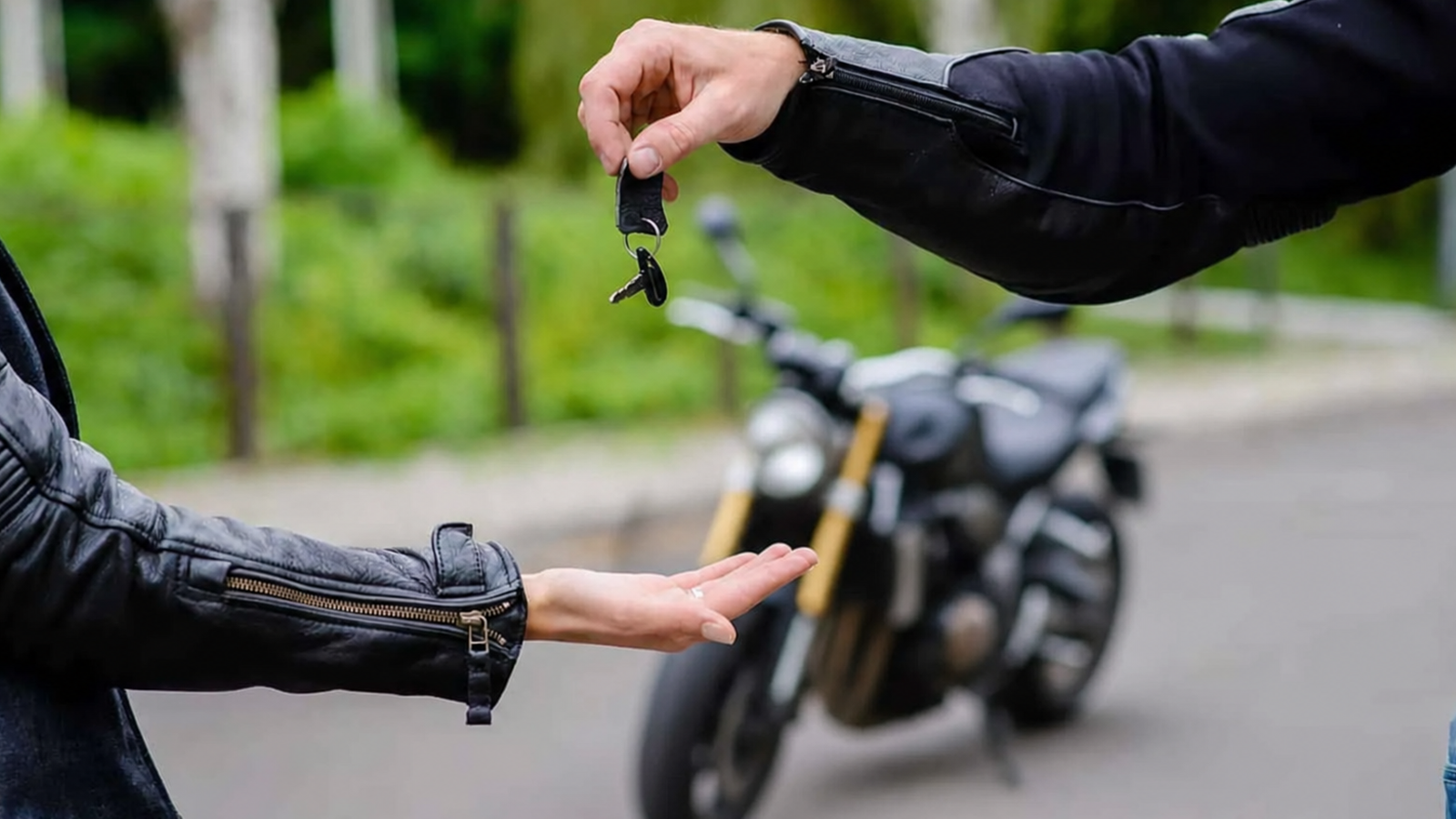
Honestly? A lot of experienced riders will tell you to buy your first bike used. You’re going to drop it, scratch it, maybe even have a minor spill while learning. A used bike softens that emotional and financial blow.
- New bikes come with warranty and no wear-and-tear history
- Used bikes are cheaper and forgive rookie mistakes better
- Either way, get a mechanic to check a used bike before buying
Don’t Skip Proper Safety Gear
This isn’t optional, no matter what your budget looks like. A full-face helmet is the bare minimum. Add riding gloves and a proper jacket if you can.
[link to related guide about used car buying checks here]
Take a Basic Riding Course If You Can
Many cities now have beginner riding schools. Even a two-day course teaches braking technique, cornering, and hazard awareness that most self-taught riders never properly learn. It’s genuinely worth the small cost.
FAQs About Buying Your First Motorcycle
What is the best engine size for a beginner motorcycle? Most experts recommend 125cc to 300cc for new riders, giving enough performance to learn without excessive power that’s hard to control.
Should a beginner buy a new or used motorcycle? A used motorcycle is often better for beginners since it’s more affordable and reduces the financial stress of an inevitable early drop or scratch.
How much should I budget for safety gear? Plan for at least ₹8,000-15,000 for a decent helmet, gloves, and basic riding jacket as a beginner.
Is a clutch or automatic scooter better to start with? It depends on your goals — if you eventually want to ride bigger bikes, learning manual clutch control early helps build proper riding skills.
How do I know if a motorcycle’s seat height fits me? You should be able to place both feet flat on the ground while seated, or at least the balls of your feet comfortably, especially for stop-and-go traffic.
What’s the biggest mistake new riders make when buying? Choosing a bike with too much power or too much weight before they’ve built the reflexes and confidence to control it safely.
Conclusion
Your first motorcycle doesn’t need to be your dream bike — it needs to be the right bike to learn on. Keep the engine size manageable, match it to how you’ll actually ride, and don’t skip the gear. Once you’ve got a season of riding under your belt, you’ll know exactly what you want next. Take a test ride this weekend and pay attention to how the bike actually feels, not just how it looks.
[Suggested image alt text: “beginner rider test riding a 150cc motorcycle”] [Suggested image alt text: “new rider wearing full safety gear before first ride”]